What Are Common Injuries From Being T-Boned in Plantation, Florida?
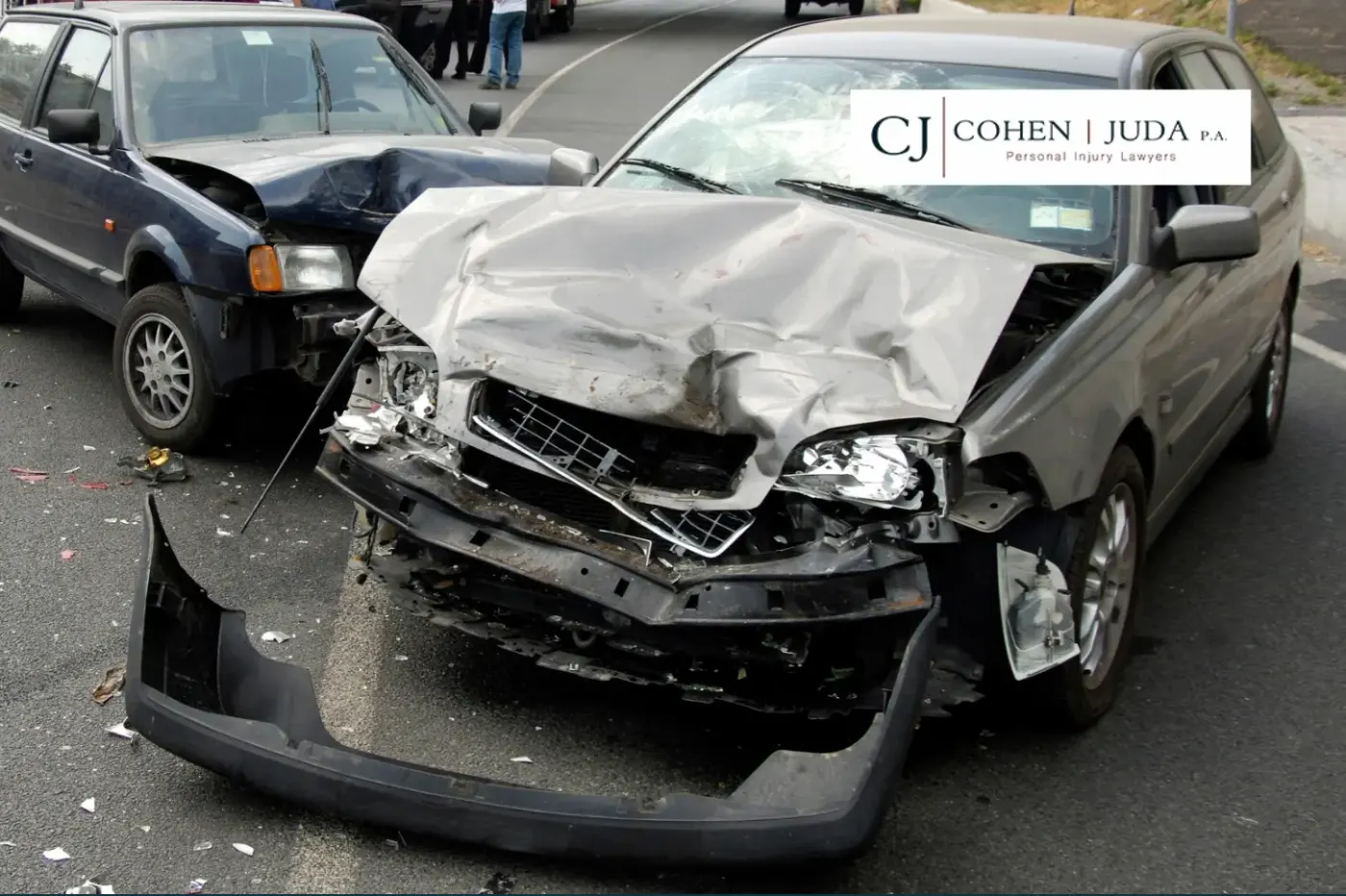
You’re driving through an intersection in Plantation when another vehicle strikes the side of your car. There’s little time to react, and even if you walk away, you might not realize how badly you’ve been hurt. Injuries from being T-boned can range from painful neck and back strains to brain trauma, broken bones, and life-threatening internal bleeding.
Unlike front or rear-end collisions, a side-impact crash can force the door and surrounding structure toward your body, leaving less room to absorb the impact. Understanding which injuries can occur, what symptoms require medical attention, and how Florida law applies can help you make informed decisions about your health and your legal options.
At a Glance
- Side-impact collisions can cause multiple injuries. Head trauma, spinal injuries, fractures, and internal organ damage are among the most serious.
- Symptoms aren’t always immediate. Concussions, neck injuries, and soft tissue damage can become apparent hours or days later.
- Medical attention is important. Some injuries require emergency treatment, even when there are few visible signs.
- Florida PIP insurance has limitations. Qualifying medical treatment must begin within 14 days to access PIP medical benefits.
- You may have additional legal options. The extent of your injuries, available insurance coverage, and evidence of fault can affect your claim.
Why Side-Impact Car Accidents Can Cause Serious Injuries
Your vehicle’s front and rear sections are designed with structures that help absorb collision energy. The sides have considerably less space between the exterior of the car and its occupants.
In a side-impact car accident, the force can push the door inward while throwing your body sideways. Your head might strike a window, your shoulder could hit the door, or your neck and spine might bend abruptly. Even when side-impact airbags deploy, they cannot eliminate every risk.
Several factors influence the severity of a T-bone collision:
- Speed and force: Higher-speed impacts can produce greater forces and increase the risk of severe injuries.
- Point of impact: A collision directly against an occupied door can expose that person to substantial force.
- Vehicle size and construction: Differences in vehicle height, weight, and structural protection can affect the outcome.
- Occupant position: The person seated closest to the impact may face different risks than someone on the opposite side.
- Safety restraints: Seat belts, side airbags, and reinforced vehicle structures can reduce injury risks without preventing every injury.
T-bone accidents frequently occur at intersections when a driver runs a red light, fails to yield, or turns left across oncoming traffic. Distracted driving can also contribute to these crashes.
The resulting injuries can be serious even when the property damage does not initially appear extensive. Vehicle damage alone cannot establish whether someone has suffered a concussion, spinal injury, or internal trauma.
What Are the Most Common Injuries From Being T-Boned?
The sudden sideways movement and direct impact associated with T-bone accidents can affect several parts of your body simultaneously. Some injuries heal with treatment, while others require surgery, rehabilitation, or ongoing medical care.
Head and Brain Injuries
Your head can strike the side window, door frame, or another part of the vehicle during a side-impact collision. Even without a direct blow, rapid acceleration and deceleration can cause the brain to move within the skull.
Head and brain injuries can include:
- Concussions: A traumatic brain injury that can cause headaches, dizziness, nausea, memory difficulties, and sensitivity to light.
- Moderate or severe traumatic brain injuries: More extensive damage that can affect movement, thinking, speech, and daily functioning.
- Skull fractures: Breaks in the skull that can accompany significant head trauma.
- Intracranial bleeding: Bleeding inside the skull that can place dangerous pressure on the brain.
Some brain injuries are immediately apparent. Others produce symptoms that develop or worsen after the accident. For more information about these injuries and their potential consequences, see our article on brain injuries from car accidents in Plantation.
Neck and Spinal Injuries
Although whiplash is often associated with rear-end collisions, it can also occur when your head and neck move violently sideways during a T-bone crash. The resulting neck injuries may involve strained muscles, damaged ligaments, irritated nerves, or injured spinal discs.
A particularly forceful collision can cause herniated discs, vertebral fractures, or spinal cord damage. Depending on the location and severity, these injuries can lead to persistent pain, numbness, weakness, or loss of mobility.
Even injuries initially diagnosed as soft tissue injuries can interfere with sleep, work, and ordinary activities. Persistent or worsening symptoms warrant further medical evaluation.
Chest and Rib Injuries
When another vehicle strikes your door, your chest may hit the interior of the car or experience force from the seat belt. Common chest injuries include fractured ribs, bruising, and damage to surrounding muscles and tissues.
A broken rib can make breathing, coughing, and moving painful. More severe chest trauma can injure the lungs, cause a collapsed lung, or damage blood vessels. Chest pain and difficulty breathing after an accident require prompt medical evaluation because they can indicate injuries beyond bruising or broken bones.
Internal Organ Damage and Bleeding
Some of the most dangerous injuries resulting from T-bone accidents are not visible. Blunt-force trauma can damage the spleen, liver, kidneys, or other internal organs. In severe cases, an organ can tear or rupture, causing internal bleeding.
Symptoms can include abdominal pain, swelling, dizziness, weakness, or fainting. However, significant internal injuries are not always obvious immediately after a collision. Suspected internal bleeding is a medical emergency. Do not wait for symptoms to become unbearable before seeking emergency care.
Hip, Pelvic, and Leg Fractures
The hips and pelvis are particularly vulnerable when the side of a vehicle is pushed inward. A direct impact against the door can cause pelvic fractures, hip injuries, and broken bones in the legs. Knees can also strike the dashboard or center console as the body moves sideways.
These injuries may require surgery, restricted weight-bearing, physical therapy, or extended rehabilitation. A serious pelvic fracture can also damage nearby blood vessels or organs, making immediate medical treatment essential.
Shoulder, Arm, and Soft Tissue Injuries
An occupant seated near the point of impact may instinctively brace against the door or steering wheel. The sudden force can injure the shoulder, elbow, wrist, or hand. Dislocations, fractures, torn ligaments, and muscle strains can limit movement and interfere with everyday tasks.
Soft tissue damage is sometimes dismissed as minor because it does not appear on a standard X-ray. However, injuries involving muscles, tendons, and ligaments can produce significant pain and require prolonged treatment.
Can Symptoms Appear Days After a T-Bone Accident?
Yes. Delayed car accident injuries are a particular concern after side-impact crashes because the absence of immediate pain does not necessarily mean you escaped injury.
During a frightening collision, adrenaline and other stress responses can temporarily affect your awareness of pain. Inflammation can also develop over time, causing stiffness or discomfort to become more noticeable.
Symptoms that may appear or worsen after the accident include:
- Headaches, dizziness, or difficulty concentrating
- Neck stiffness and reduced range of motion
- Back pain, tingling, or numbness
- Shoulder pain or muscle spasms
- Abdominal discomfort or unusual bruising
- Sleep disturbances, anxiety, or distress related to the collision
Some people also develop psychological symptoms after a serious accident, including intrusive memories, fear of driving, or symptoms associated with post-traumatic stress disorder.
Do not assume delayed symptoms are harmless. A worsening headache, repeated vomiting, unusual confusion, seizures, weakness, severe abdominal pain, or difficulty breathing can signal a medical emergency.
The Centers for Disease Control and Prevention identifies several danger signs associated with traumatic brain injuries that require immediate emergency evaluation.
How Are Injuries From a T-Bone Accident Diagnosed and Treated?
After a side-impact collision, the extent of your injuries might not be immediately apparent. A medical evaluation can identify problems that aren’t visible, particularly when the impact involved your head, neck, chest, or abdomen.
Depending on your symptoms and the circumstances of the crash, your medical provider may recommend:
- Physical and neurological examinations: These help identify problems with movement, sensation, reflexes, balance, and cognitive function.
- X-rays: These can reveal broken bones, including fractures involving the ribs, pelvis, or spine.
- CT scans: These can help detect internal bleeding, organ damage, certain fractures, and injuries involving the brain.
- MRI scans: These provide detailed images of soft tissues, including spinal discs, ligaments, and other structures.
- Additional testing: Blood tests, ultrasound examinations, or other diagnostic procedures may be necessary when internal injuries are suspected.
Treatment depends on the diagnosis and severity of your injuries. Some people recover with medication, physical therapy, and temporary activity restrictions. Others require surgery, hospitalization, rehabilitation, or ongoing specialist care.
Follow-up appointments are particularly important when symptoms persist or change. They allow your medical providers to monitor your recovery, assess complications, and adjust your treatment when necessary.
Medical records also document how your injuries develop over time, which can become important if you pursue a personal injury claim.
How Does Florida PIP Insurance Apply to T-Bone Accident Injuries?
Florida operates under a no-fault auto insurance system. Most vehicle owners must carry Personal Injury Protection (PIP) coverage, which provides certain benefits after a car accident regardless of who caused the collision. Under Florida Statutes § 627.736, PIP provides benefits subject to statutory requirements and limits.
What Does PIP Cover?
Florida PIP insurance provides:
- Medical expenses: 80% of qualifying, reasonable, medically necessary expenses, subject to applicable limits.
- Lost wages: 60% of qualifying lost gross income and earning capacity when accident-related injuries prevent you from working.
- Death benefits: $5,000 in statutory death benefits, separate from the medical and disability benefits.
The combined medical and disability benefit limit is ordinarily $10,000, with medical reimbursement limited to $2,500 in circumstances where the statutory emergency medical condition requirements are not satisfied.
You must receive qualifying initial medical services within 14 days of the accident to access PIP medical benefits. That deadline is an insurance requirement, not a reason to delay care when you are injured.
What Happens When Your Injuries Exceed PIP Coverage?
A serious T-bone collision can produce medical costs that exceed available PIP benefits. Hospitalization, surgery, rehabilitation, and future medical care can quickly create substantial financial pressure.
Exhausting PIP coverage does not automatically establish your right to every category of compensation. However, you may have a claim against an at-fault driver for damages not covered by PIP, subject to applicable Florida law.
Under Florida Statutes § 627.737, recovering damages for pain and suffering in covered motor vehicle cases requires meeting a statutory injury threshold. Qualifying conditions include:
- Significant and permanent loss of an important bodily function
- A permanent injury established within a reasonable degree of medical probability
- Significant and permanent scarring or disfigurement
- Death
Depending on your circumstances, an injury claim may involve unpaid medical expenses, lost wages, reduced earning capacity, and other legally recoverable losses. The available insurance coverage, policy limits, medical evidence, and degree of fault can all affect the amount and type of compensation available.
Who Is Responsible for a T-Bone Accident?
Although the driver who strikes the side of another car may appear responsible, fault depends on how the collision occurred. For example, one driver might enter an intersection against a red light. Another might turn left without yielding to oncoming traffic. In other circumstances, both drivers may have contributed to the accident.
Evidence that can help establish responsibility includes traffic-camera footage, witness statements, vehicle damage, crash reports, and photographs of the intersection. Insurance providers may dispute who caused the collision or argue that an injured person’s symptoms are unrelated to the crash. The location and severity of the vehicle damage do not, by themselves, settle those questions.
Florida also follows a modified comparative fault rule. Under Florida Statutes § 768.81, an injured person found more than 50% responsible for their own harm cannot recover damages in negligence actions covered by that provision.
Determining fault and documenting your injuries are separate but connected parts of a personal injury claim. Both require careful examination of the available evidence.
Frequently Asked Questions
Can a low-speed T-bone accident cause serious injuries?
Yes. Even at relatively low speeds, a side-impact collision can cause concussions, neck injuries, fractures, or other trauma. The point of impact, occupant position, and vehicle structure all affect the forces involved. Medical evaluation is more reliable than vehicle damage alone when assessing possible injuries.
Can you suffer internal injuries without visible bruising?
Yes. Blunt-force trauma can damage internal organs or cause bleeding without obvious external injuries. Severe abdominal pain, fainting, weakness, or other symptoms suggesting internal bleeding require emergency medical care.
What if the insurance company says my injuries are minor?
An insurance adjuster’s assessment does not replace a medical diagnosis. Treatment records, imaging studies, physician evaluations, and documentation of your physical limitations can help establish the nature and extent of your injuries. A personal injury attorney can also review whether the insurer’s position is supported by the evidence.
How long do I have to file a lawsuit after a T-bone accident in Florida?
Under Florida Statutes § 95.11(5)(a), the deadline for most negligence lawsuits is two years. Different rules or exceptions can apply depending on the circumstances. Because evidence can become harder to obtain over time, it is important to investigate your legal options promptly.
Your Injuries Are More Than an Insurance Company’s Assessment
A T-bone collision can leave you dealing with medical appointments, physical limitations, missed work, and questions about whether you will fully recover. When an insurance company disputes your injuries or the circumstances of the crash, the details of your case become especially important.
At Cohen & Juda, P.A., founding attorneys Harvey Cohen and Gary Juda personally represent clients from the initial consultation through settlement or verdict. This means you work directly with the attorneys responsible for investigating your accident, evaluating your injuries, and preparing your case.
Mr. Juda began his career defending insurance companies in personal injury, wrongful death, and bad faith cases before dedicating his practice to injured individuals in 1994. That background gives our firm firsthand insight into how insurers evaluate claims and challenge the evidence supporting them. We examine the circumstances of your collision, work to document the full extent of your injuries, and prepare cases for litigation when a reasonable settlement cannot be reached.
To discuss your injuries and legal options with our Plantation car accident lawyers, call (954) 424-1440 or complete our confidential online contact form for a free consultation. You pay no attorney’s fees or costs unless compensation is recovered on your behalf. You can also read our client testimonials to learn about others’ experiences with our firm.
Proudly serving clients in Plantation, Fort Lauderdale, Boynton Beach, Coral Springs, Deerfield Beach, Margate, Oakland Park, Miramar, Weston, Davie, Sunrise, Pompano Beach, and throughout Broward County.
Copyright © 2026. Cohen and Juda, P.A. All rights reserved.
The information in this blog post (post) is provided for general informational purposes only and may not reflect the current law in your jurisdiction. No information in this post should be construed as legal advice from the individual author or the law firm, nor is it intended to be a substitute for legal counsel on any subject matter. No reader of this post should act or refrain from acting based on any information included in or accessible through this post without seeking the appropriate legal or other professional advice on the particular facts and circumstances at issue from a lawyer licensed in the recipient’s state, country, or other appropriate licensing jurisdiction.
Cohen and Juda, P.A.
8211 W Broward Blvd., Suite 310
Plantation, FL 33324
(954) 424-1440