What Are the Worst Car Crashes in History?
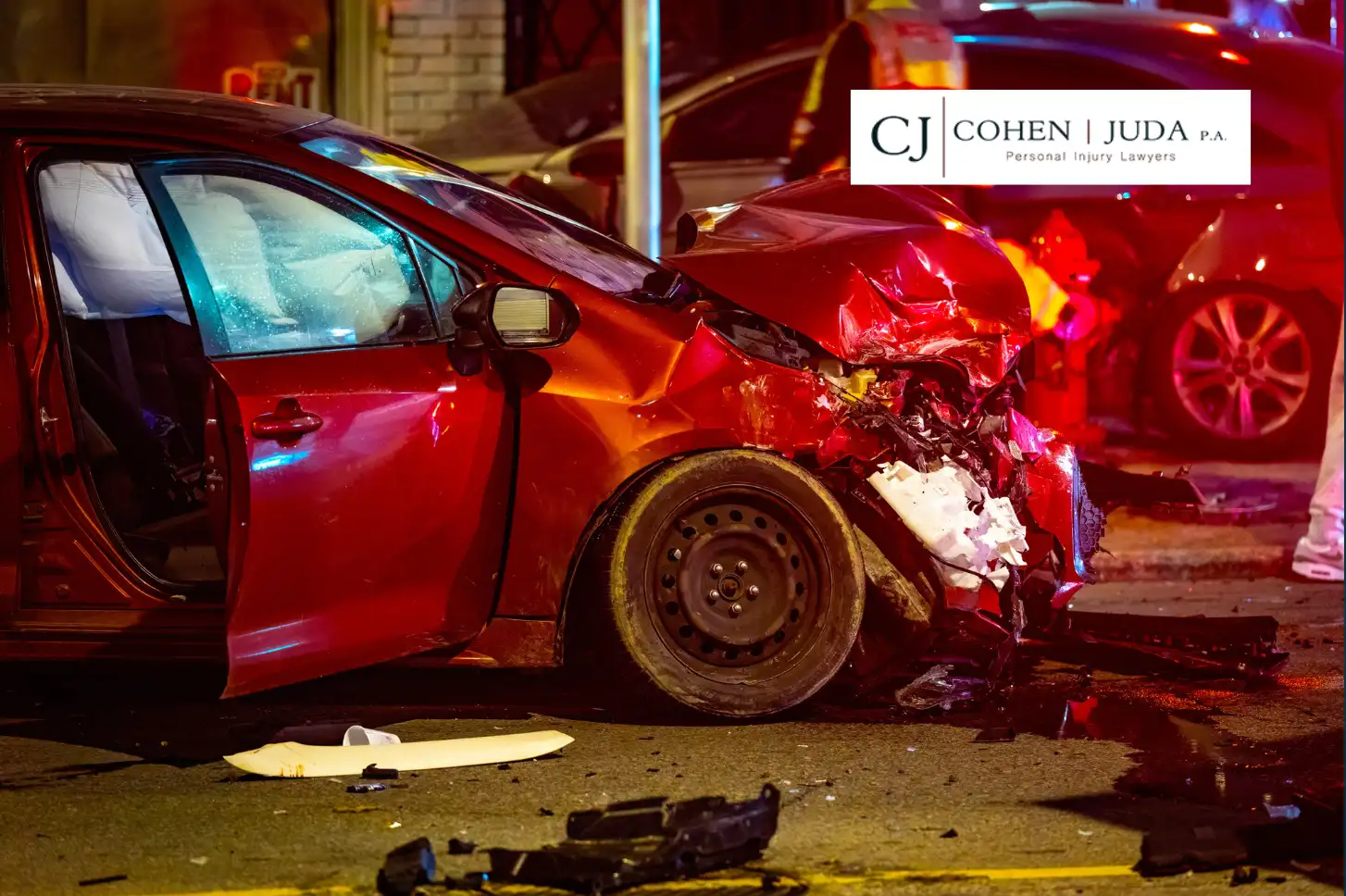
Some of the worst car crashes in history changed far more than the lives of the people directly involved. They exposed weaknesses in roadway design, vehicle engineering, emergency response, and traffic laws. Many also led to improvements that continue to protect drivers today.
While these tragedies differ in size and cause, they share common themes. Driver error, dangerous weather conditions, mechanical failures, and poor visibility have all contributed to fatal crashes involving dozens of vehicles and significant loss of life.
Looking back at these catastrophic events isn’t simply a history lesson. Understanding what caused these fatal crashes can help drivers recognize dangerous conditions, appreciate today’s safety features, and better understand how negligence can lead to devastating consequences.
At a Glance
- Some of the worst car crashes in history involved dozens of vehicles, multiple fatalities, and widespread destruction.
- Many catastrophic collisions stemmed from dense fog, massive dust storm conditions, brake failure, excessive speed, or driver error.
- Several historic crashes prompted improvements in warning systems, highway engineering, and vehicle safety features.
- Even though most crashes are much smaller, the same risk factors continue to contribute to serious car accidents today.
- If another person’s negligence causes your injuries, you may have legal options to pursue compensation.
What Makes a Car Crash One of the Worst in History?
Most car accidents don’t become part of history. The ones that do are usually the deadliest car crashes on record, and they’re remembered for a reason. They involve one or more of the following:
- A high number of fatalities
- Multiple vehicles involved
- Serious injuries
- Multi-vehicle pileups affecting long stretches of highway
- Lasting changes to traffic safety or vehicle design
Some incidents are remembered because of their extraordinary death toll. Others stand out because investigators uncovered preventable failures that changed transportation safety standards for years to come.
Five of the Worst Car Crashes in History
The Carrollton Bus Crash (Kentucky, 1988)
Among the deadliest highway disasters in U.S. history, the NTSB investigation found that the Carrollton bus crash claimed 27 lives, mostly children, after a pickup truck traveling the wrong way struck a church bus. The collision ruptured the bus’s fuel tank, causing a devastating fire that spread rapidly through the vehicle. Although many passengers escaped, numerous victims were trapped inside.
Investigators found that impaired driving played a central role, making the Carrollton tragedy the deadliest drunk-driving crash in American history. The disaster led to significant improvements in school bus safety, emergency exits, and fuel system design.
Interstate 75 Fog Pileup (Tennessee, 1990)
One of the largest chain-reaction crashes in U.S. history occurred along Interstate 75 near Calhoun, Tennessee.
A combination of dense fog and smoke from a nearby paper mill reduced visibility to only a few feet in some locations. Motorists traveling at high speed suddenly encountered zero visibility, leaving little opportunity to stop.
The collision that followed involved approximately 99 vehicles, including passenger cars and semi-trucks. The NTSB’s highway accident report determined the probable cause was drivers responding to the sudden loss of visibility at sharply varying speeds.
The crash caused multiple fatalities, dozens of injuries, and highlighted the dangers of driving too fast for fog conditions.
The investigation also accelerated research into improved highway warning systems designed to alert drivers when low-visibility conditions develop.
Interstate 5 Dust Storm Pileup (California, 1991)
A massive dust storm created one of the worst multi-vehicle crashes ever recorded in California. Powerful high winds lifted dry soil into the air, creating reduced visibility across Interstate 5. Within moments, drivers encountered conditions so severe they could barely see the roadway ahead.
The chain-reaction collision involved more than 100 vehicles, including passenger cars and trucks. Several people were killed, many others were injured, and investigators concluded that weather conditions, speed, and limited visibility all contributed to the scale of the disaster.
Interstate 10 Fog Pileup (Texas, 2012)
Another catastrophic pileup struck southeast Texas the morning after Thanksgiving in 2012, when dense fog rolled over Interstate 10 near Beaumont.
The first crash, a multi-vehicle wreck in the eastbound lanes, happened around 8:45 a.m., according to the Texas Department of Public Safety. Chain-reaction crashes followed in the westbound lanes southwest of Beaumont in Jefferson County. Some 100 cars ended up part of the pileup on that foggy stretch of highway in southeast Texas.
Two people died after a vehicle was hit from behind by an 18-wheeler. Authorities said between 80 and 120 injured people were taken from the scene, with the most seriously hurt transported to Houston and others sent to nearby hospitals in Beaumont and Port Arthur.
Fog was flagged as a likely factor at the time of the crash, though officials said the full cause was still under investigation. Westbound lanes reopened after about four hours, while eastbound lanes stayed closed for most of the day.
Schoharie Limousine Crash (New York, 2018)
Weather isn’t always the cause. In Schoharie, New York, NTSB investigators determined that brake failure played a major role in a limousine crash that claimed 20 lives.
The investigation uncovered significant maintenance failures and regulatory concerns involving the vehicle. The tragedy renewed discussions about commercial vehicle inspections, maintenance requirements, and oversight designed to prevent similar catastrophic crashes in the future.
What Caused These Catastrophic Crashes?
Although each incident was different, investigators identified several common factors.
Driver Error
Many fatal crashes involve human decisions. Examples include:
- Speeding
- Distracted driving
- Fatigued driving
- Driving while impaired
- Following too closely
- Failing to adjust to changing road conditions
Even with modern safety features, poor decisions behind the wheel continue to contribute to thousands of fatalities each year.
Dangerous Weather Conditions
Some of history’s worst crashes occurred because drivers suddenly encountered:
- Dense fog
- Low visibility
- Heavy rain
- Smoke
- Ice
- Strong winds
- Blowing dust
These conditions reduce reaction time and increase the likelihood of chain-reaction crashes, particularly on busy highways.
How Have Historic Crashes Improved Road Safety?
Many of history’s worst crashes prompted changes that continue to protect drivers today. Investigations often identify hazards that lawmakers, manufacturers, and transportation agencies work to address.
Some of the most significant improvements include:
- Better warning systems for dense fog, smoke, and other low-visibility conditions
- Improved guardrails and highway design
- Stronger vehicle crashworthiness standards
- More effective airbags and other safety features
- Enhanced emergency response procedures
- Stricter commercial vehicle inspection and maintenance requirements
- Increased public awareness of impaired and distracted driving
No safety measure can eliminate every car accident, but these improvements have reduced the number of fatal crashes and saved countless lives.
How Has Traffic Safety Changed Since the Worst Crashes in History?
Traffic deaths remain a serious problem, but the long-term safety trend shows how much roadway design, vehicle safety, and crash prevention technology have changed. According to the National Safety Council, motor-vehicle deaths increased from 4,200 in 1913 to 42,789 in 2024, partly because Americans drive far more than they did a century ago. However, the death rate per 10,000 vehicles dropped 96% between 1913 and 2024, and the mileage death rate fell 93% since 1923.
Modern safety work also focuses less on expecting perfect drivers and more on designing safer roads, safer vehicles, and systems that reduce the consequences of human error. That is the idea behind the Safe System Approach, which places greater responsibility on roadway and vehicle design instead of relying only on individual driver behavior.
Technology has also changed what vehicles can do before a crash happens. Automatic Emergency Braking can reduce front-to-rear crashes, and federal regulators have finalized a rule requiring AEB and pedestrian automatic emergency braking on new passenger vehicles and light trucks by September 2029.
What Can Drivers Learn From These Tragedies?
While most people will never experience a catastrophic crash involving dozens of vehicles, the same factors that contributed to these historic collisions remain relevant today.
The biggest lessons include:
Slow Down When Visibility Changes
Whether you’re driving through dense fog, heavy rain, smoke, or blowing dust, slowing down gives you more time to react. Conditions can change within seconds, particularly on busy highways.
Leave More Following Distance
Many chain-reaction crashes begin because drivers don’t have enough space to stop safely. Increasing the distance between your car and the vehicle ahead becomes particularly important during poor weather conditions.
Don’t Ignore Mechanical Problems
Several historic crashes involved brake failure or other mechanical defects. Routine maintenance can reduce the risk of preventable equipment failures that place you and others in danger.
Stay Focused on the Road
Distracted driving continues to contribute to thousands of fatal crashes each year. Looking away from the roadway for even a few seconds can make the difference between avoiding a collision and becoming part of one.
When Does a Serious Car Crash Become a Personal Injury Case?
Most of the tragedies discussed here involved extraordinary circumstances. Fortunately, the vast majority of car accidents involve far fewer vehicles.
Even so, a collision involving only two or three cars can still leave you with:
- Serious injuries
- Significant medical expenses
- Lost income
- Long-term rehabilitation
- Permanent disabilities
- Emotional trauma
If another driver’s negligence caused the accident, you may have the right to pursue compensation through a personal injury claim. Depending on the circumstances, damages may include medical costs, lost wages, property damage, pain and suffering, and other losses recognized by law.
When a collision causes a fatality, surviving family members may also have legal options through wrongful death cases, depending on the facts and applicable state law.
Why Do Fatal Crashes Still Happen Today?
The historic crashes above led to real safety gains, yet fatal crashes continue to occur throughout the United States.
According to the Fatality Analysis Reporting System (FARS) maintained by the National Highway Traffic Safety Administration, thousands of people die in traffic crashes each year. Two factors beyond the ones already covered here keep showing up in that data:
- Failure to wear seat belts. A seat belt remains one of the simplest ways to survive a serious collision, and unbelted occupants face far higher odds of a fatal outcome when a crash happens.
- Aggressive driving. Tailgating, weaving through traffic, and reacting to other drivers with hostility raise the odds of a crash and often raise its severity too.
While modern vehicles offer far more protection than those built decades ago, your choices behind the wheel still shape whether a crash is survivable.
Frequently Asked Questions
What was the worst car crash in history?
There’s no single answer because crashes may be measured by death toll, the number of vehicles involved, or their long-term safety impact. Several of the most significant include the Carrollton bus crash, the Interstate 75 fog pileup, and the Interstate 5 dust storm collision.
What causes most fatal car crashes?
Many fatal crashes stem from driver error, impaired driving, speeding, distracted driving, poor weather conditions, or mechanical failures such as brake failure.
What are chain-reaction crashes?
Chain-reaction crashes occur when one collision triggers multiple additional collisions, often involving numerous vehicles. These incidents happen often during low-visibility conditions or on congested highways.
Have historic crashes improved vehicle safety?
Yes. Many catastrophic collisions prompted improvements in safety features, highway design, emergency response procedures, and electronic warning systems that continue to benefit drivers today.
When should I contact a car accident lawyer?
If you’ve suffered serious injuries because another driver’s negligence caused a car accident, speaking with a personal injury attorney puts you in a stronger position to understand your legal rights and the compensation that may be available.
Protect Your Rights After a Serious Car Accident
History’s worst crashes are a reminder of how quickly a routine drive can become life-changing. While most collisions don’t involve dozens of vehicles or national headlines, even a single car accident can leave you facing painful injuries, mounting medical expenses, lost income, and uncertainty about what comes next.
At Cohen and Juda, P.A., South Florida car accident lawyers Harvey Cohen and Gary Juda have represented injured clients throughout South Florida since 1999. Whether your case involves a distracted driver, impaired driver, dangerous roadway conditions, or another act of negligence, our law firm knows how to investigate serious crashes and pursue the compensation our clients need to move forward.
Call Cohen and Juda at (954) 424-1440 or complete our confidential online form to schedule your free consultation. You pay no attorney’s fees or costs unless compensation is recovered on your behalf. While you wait for your consultation, we invite you to read testimonials from our clients.
Proudly serving clients in Plantation, Fort Lauderdale, Boynton Beach, Coral Springs, Deerfield Beach, Margate, Oakland Park, Miramar, Weston, Davie, Sunrise, Pompano Beach, and throughout Broward County.
Copyright © 2026. Cohen and Juda, P.A. All rights reserved.
The information in this blog post (post) is provided for general informational purposes only and may not reflect the current law in your jurisdiction. No information in this post should be construed as legal advice from the individual author or the law firm, nor is it intended to be a substitute for legal counsel on any subject matter. No reader of this post should act or refrain from acting based on any information included in or accessible through this post without seeking the appropriate legal or other professional advice on the particular facts and circumstances at issue from a lawyer licensed in the recipient’s state, country, or other appropriate licensing jurisdiction.
Cohen and Juda, P.A.
8211 W Broward Blvd., Suite 310
Plantation, FL 33324
(954) 424-1440
https://www.cohenandjudaflorida.com/